Debunking 10 Myths: What Interior Designers Actually Do?
"
“Design is not just what it looks like and feels like. Design is how it works.”
- Steve Jobs
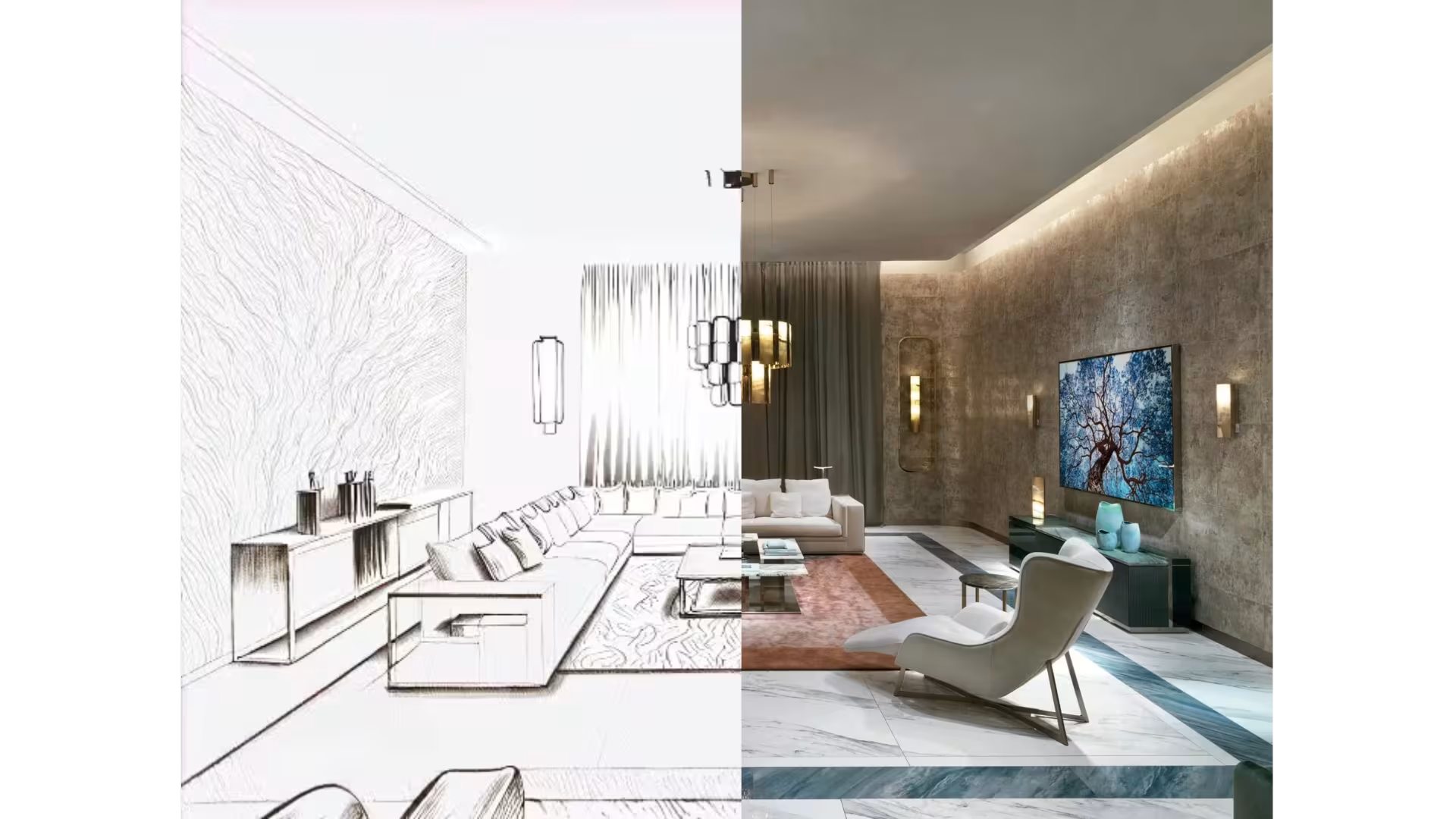
Have you ever walked into a room and felt an instant shift in mood, as if it had been magically transformed?
That’s the art and science of interior design at play. Behind every stunning space lies a blend of creativity, functionality, and a nuanced understanding of how environments shape behavior. While most people think design is about pillows and paint swatches, true design is about storytelling-translating lifestyle into space, emotion into form, and intention into function.
In this article, we’ll go beneath the surface to demystify the profession. Because what interior designers really do isn't just "make it pretty"-they build environments that shape how you live, work, and feel.
"
If you’re new to what interior designers really do, our detailed guide breaks it all down.
Myth #1: “Interior Designers Just Choose Furniture”-Here’s What Really Happens
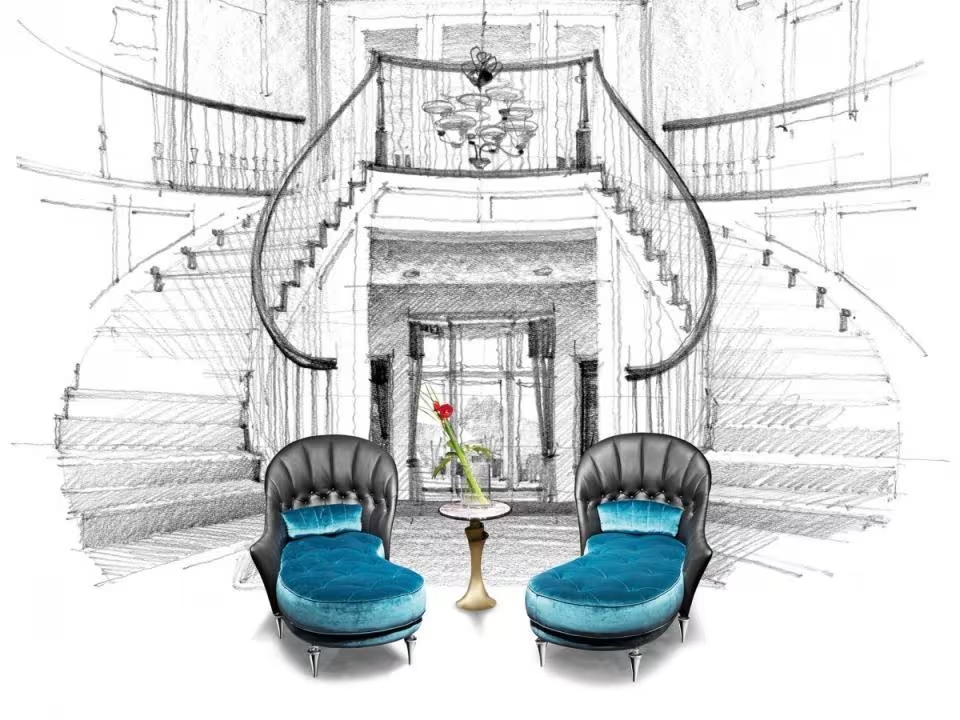
Many believe interior designers are glorified furniture shoppers. In reality, their scope reaches far deeper into architecture, human psychology, and technical planning.
At D&D Design Center, our role begins with deep analysis:
How does the space function (or fail)? What subconscious habits does the layout encourage? Where are the light sources, and how can they work harder?
Interior designers walk into a space and see potential others miss. We identify problems in your daily routine and solve them spatially-with zones, flow paths, acoustic control, and lighting design that impact everything from your mood to your productivity.
We then collaborate with contractors, artisans, and engineers to execute your vision. Your interior designer is the silent force connecting design, logistics, and execution-so the magic feels effortless, but is anything but.
Myth #2: “It’s Just a Mood Board”-No, It’s a Strategic Design System
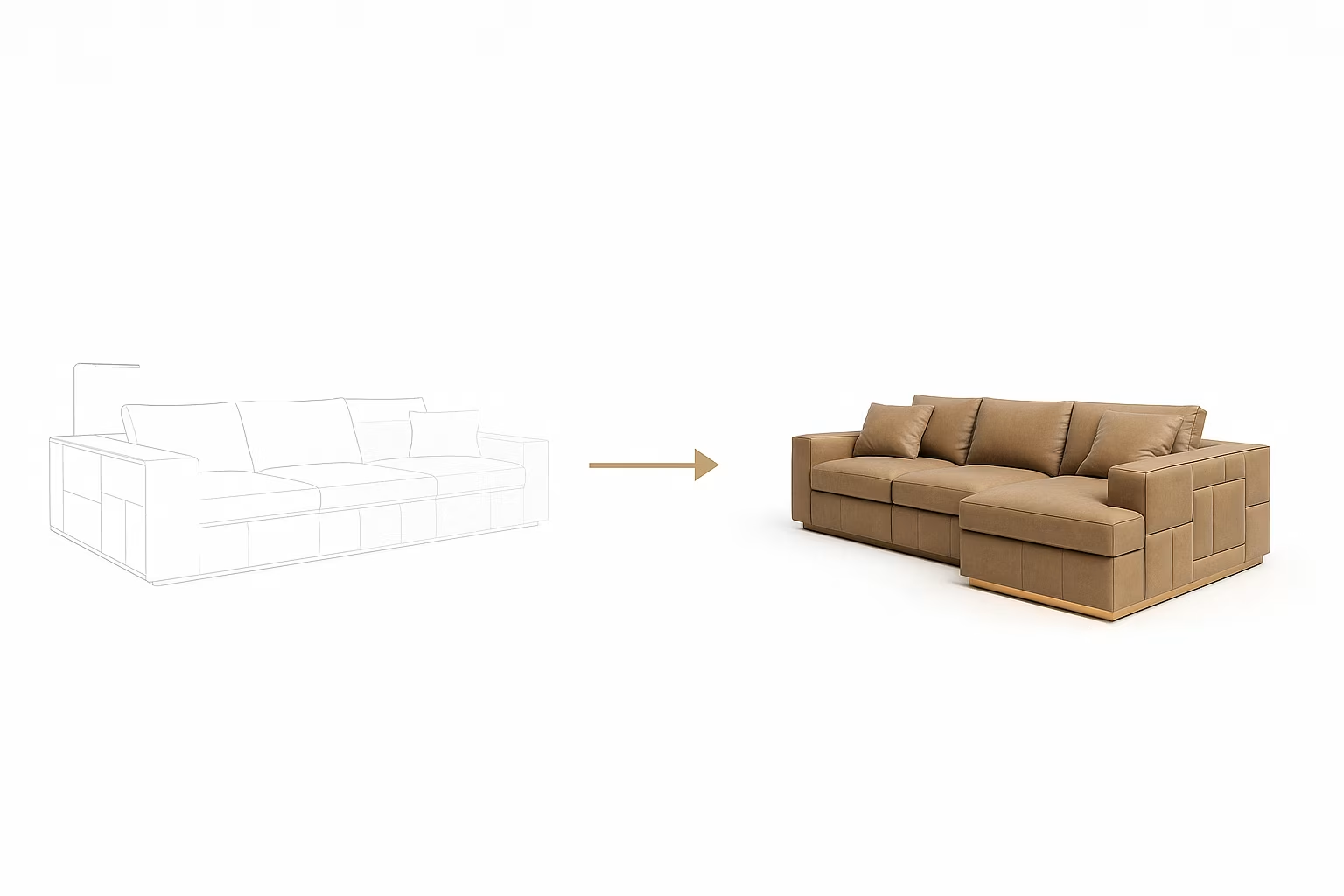
In-Depth Consultation
The consultation isn’t a casual chat-it’s forensic investigation. We dig into your lifestyle routines, cultural influences, and visual triggers. What inspires you? What calms you? What frustrates you?
This phase sets up the design not just to please your eye-but to support your daily rhythm.
Concept & Visualization
A common misconception is that designers just slap a few Pinterest images together. In truth, we build fully mapped design systems. We create layered plans involving textures, lighting grids, materials, and spatial zoning. Your mood board isn’t a vision-it’s a blueprint.
We go through rounds of fine-tuning, ensuring that the style you like is adapted to the scale, function, and lighting of your real space-not a fantasy version online.
Execution Phase
Here’s where clients often realize: this job is project management, logistics, and foresight wrapped in aesthetics. We oversee tradespeople, anticipate delays, reorder when supply chains break, and adapt in real-time-without ever letting the design intent drift.
Final Reveal
You get the result you imagined-but never had to lose sleep over the countless decisions made to get there. That’s the value of end-to-end design.
"
Want to understand how we bring concepts to reality? Learn more about how we work from vision to reveal.
Myth #3: “Anyone Can Make a Room Pretty”-But Can They Make It Liveable?
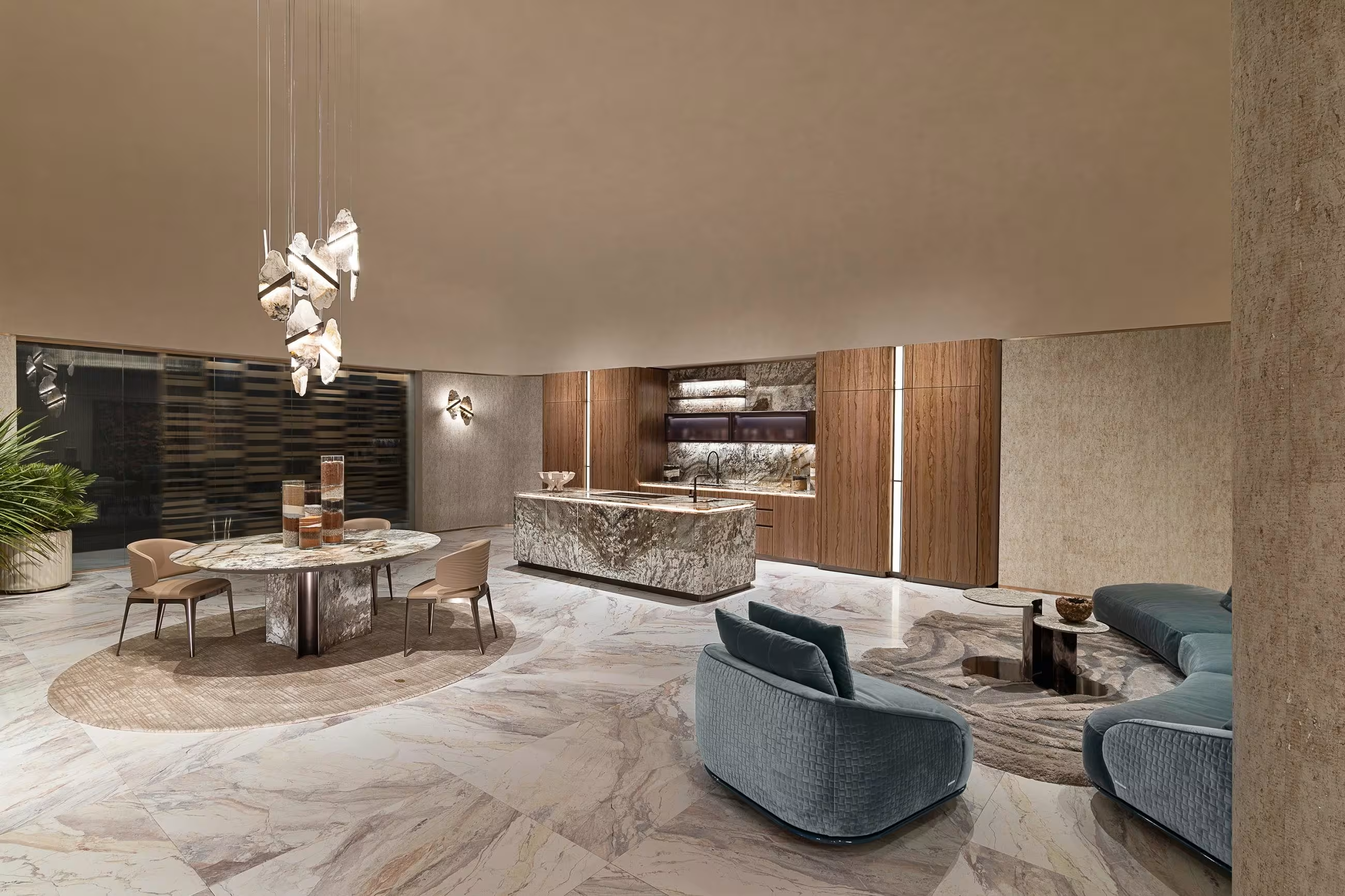
The best-looking rooms in magazines are often impractical for real life. A true designer creates spaces that are both visually stunning and deeply livable.
To do that, we study traffic flow to prevent bottlenecks and awkward layouts. We establish zones so each activity has a home-reading, dining, relaxing, working. And we engineer comfort with custom seating heights, ideal desk placements, and optimized lighting temperatures.
Want a glamorous lounge but have toddlers? Want an open kitchen but entertain frequently? We balance beauty with utility-so your space doesn’t just look great, it feels effortless to use.
"
See how these ideas come to life in our Product Collection, where form meets function in every piece.
Myth #4: “Style Is Just Taste”-Wrong. It’s a Calculated Emotional Experience
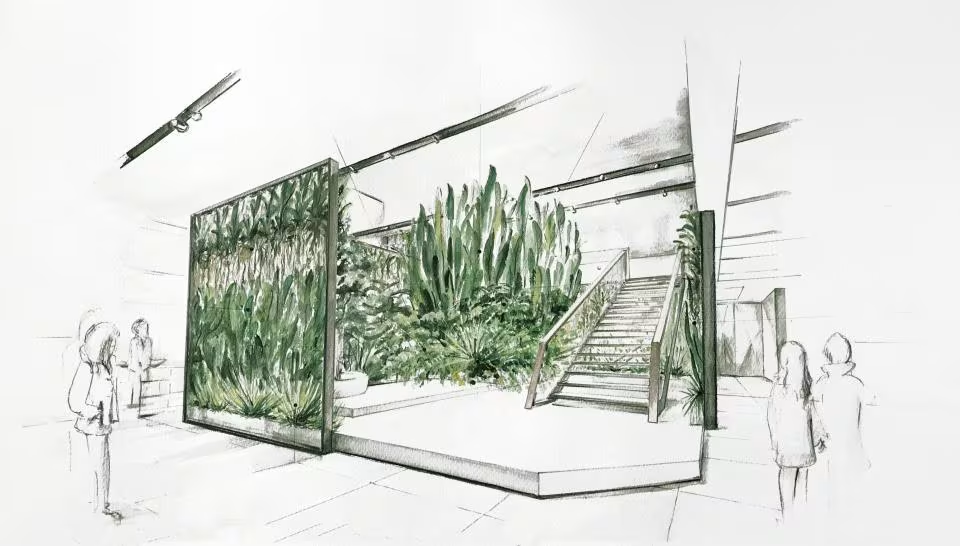
Your aesthetic isn’t about following trends-it’s about how you want to feel in your home. At D&D, we reverse-engineer that feeling and build a design language around it.
Want calm? We use muted palettes, natural textures, and low-contrast lighting. Want vibrancy? Expect bold shapes, layered prints, and playful focal points. Need luxury with subtlety? We might combine satin-finish walnut, micro-textured walls, and sculptural lighting.
Designers use color, texture, and light not arbitrarily-but as tools to evoke emotion, define status, and even influence behavior. This is why copying a Pinterest image rarely works-it wasn’t designed for you.
Myth #5: “Trends Are Just for Show-Offs”-Not When They Solve Real Problems
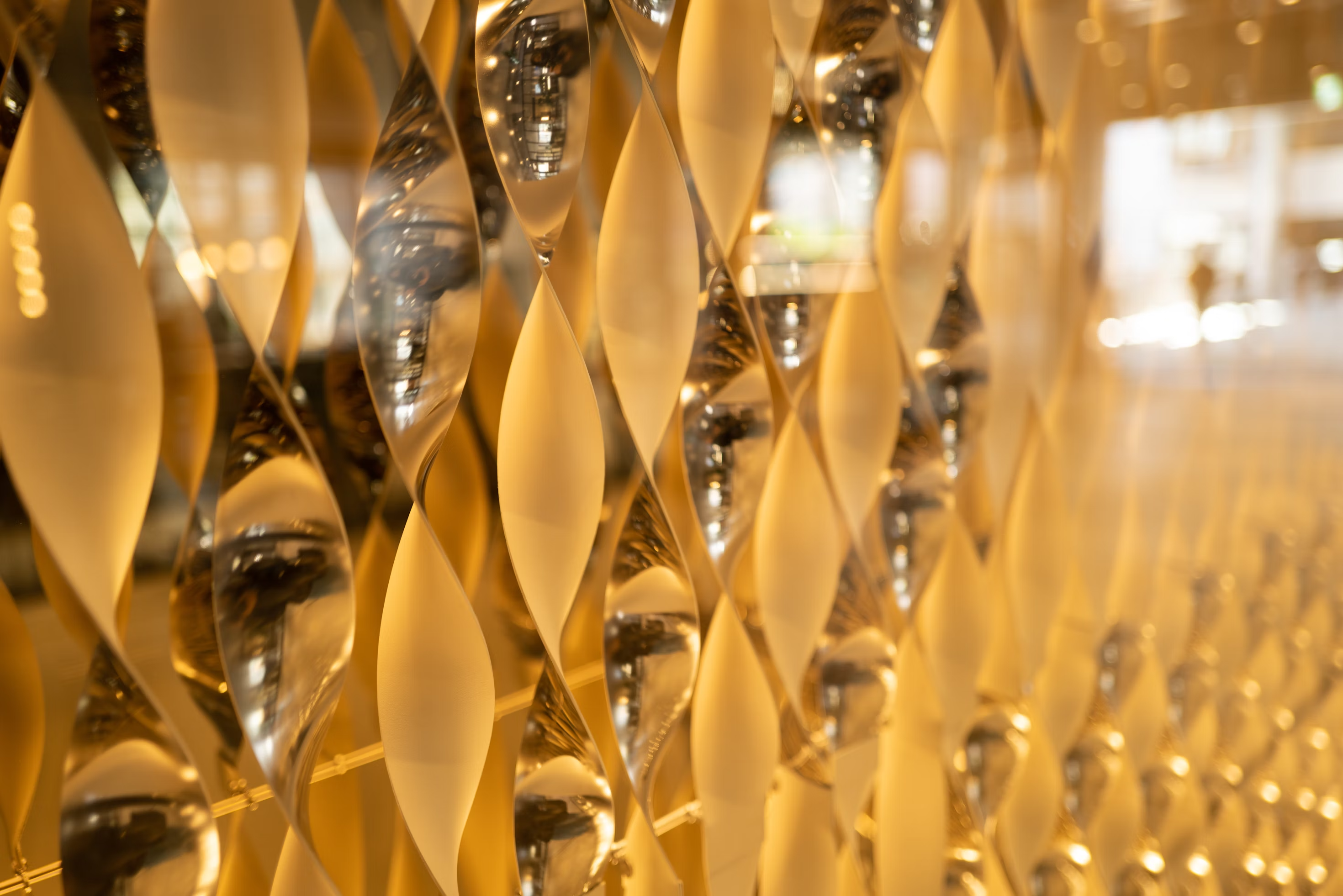
Interior design trends often get dismissed as shallow fashion statements. But the best trends aren’t about being flashy-they’re about innovation born from necessity.
Take the rise of natural materials and organic shapes. These aren’t just “in” because they look good on Instagram. They're a direct response to urban stress, artificial lighting, and hyper-digital lifestyles. Curved furniture, warm woods, and earth tones help recalibrate our nervous systems after long hours in front of screens.
Sustainability, too, is more than a buzzword. It’s about designing with intent-sourcing materials that are as healthy for the planet as they are for your home.
Even tech integration has become subtle and purposeful. Today’s best homes don’t flaunt technology-they absorb it.
Myth #6: “Sustainability Is a Marketing Gimmick”-Here’s How It’s Actually Done
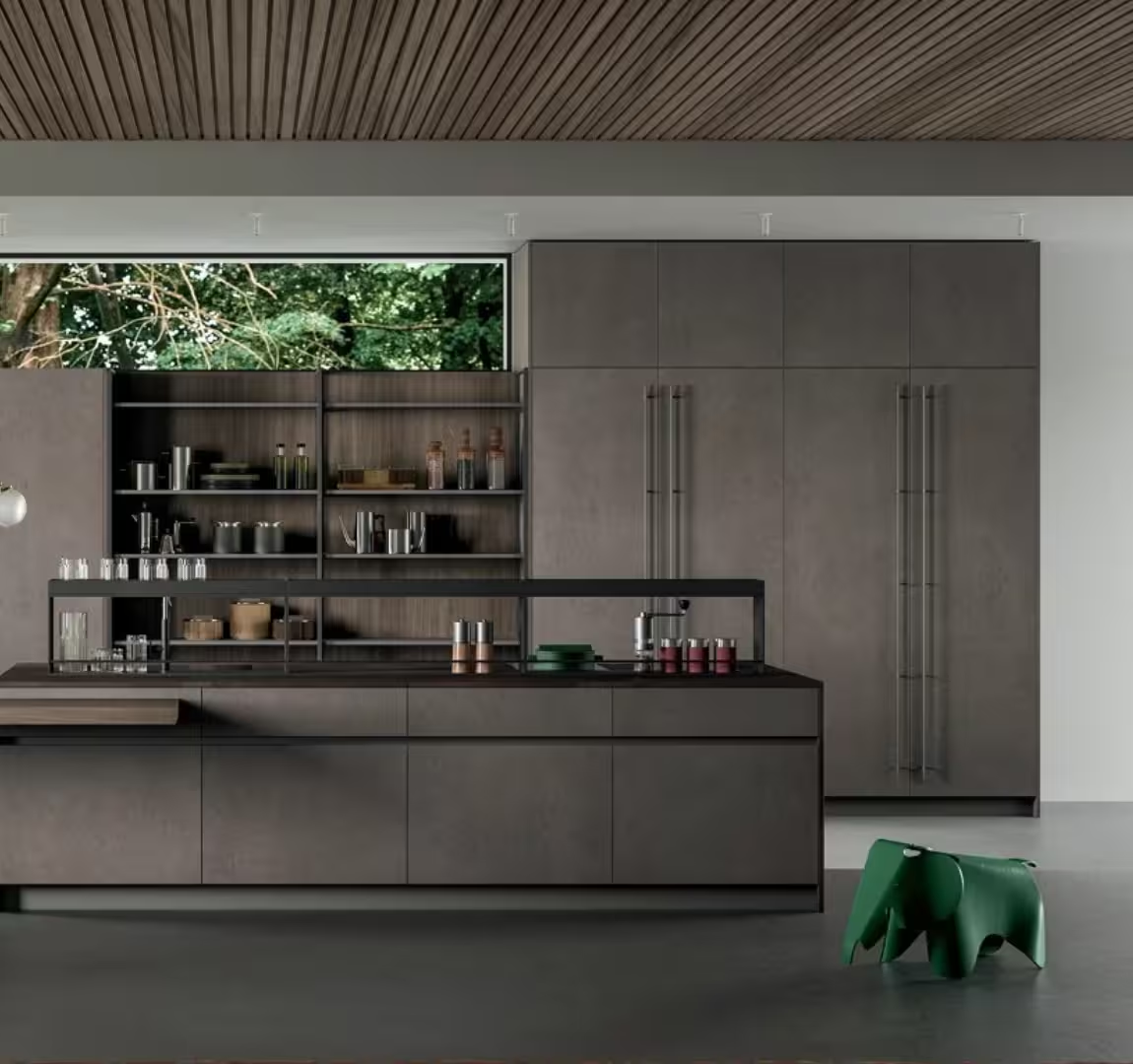
Too often, people assume “sustainable design” is a feel-good checkbox-a piece of bamboo furniture or an energy-efficient bulb. In truth, eco-conscious design is a meticulous, values-driven process.
At D&D, we begin every project by evaluating the full lifecycle of materials. We work with suppliers who are transparent about sourcing, labor ethics, and environmental impact. We select finishes that reduce VOCs and prioritize renewable resources that age gracefully over time.
Sustainability also means designing for longevity, not just visual appeal. That means cabinetry that won’t warp in five years. Furniture that won’t go out of style next season. Layouts that evolve as your life changes.
Eco-luxury isn’t about sacrifice. It’s about excellence-with conscience.
Myth #7: “Designers Work Alone”-The Truth? It Takes a Village
The cinematic version of a designer is usually a lone genius sketching in a sunlit loft. But in the real world, great design is collaborative. Behind every beautiful space is a carefully coordinated team of experts.
We regularly partner with architects, engineers, artisans, lighting specialists, landscape designers, and even psychologists. Every voice contributes to a richer, more functional, and more human-centered space.
This collaborative model also reduces friction for you. You won’t have to coordinate trades or decode jargon-we speak all those languages, so you don’t have to.
"
We thrive on partnerships - learn more about our collaboration process here.
Myth #8: “Designers Are for the Ultra-Rich”-Why Good Design Is Within Reach
One of the most enduring myths is that interior design is reserved for the ultra-wealthy. But a good designer isn’t here to push a lavish agenda-they’re here to optimize what you already value.
In fact, working with a designer often saves money in the long run. We help you avoid costly mistakes, eliminate impulse purchases, and invest in pieces that last. We create phased plans that allow for design over time. And we provide access to trade-only products and exclusive craftsmanship that you simply can’t get retail.
Whether you’re working with a downtown penthouse or a family home in the suburbs, smart design pays dividends-in functionality, emotion, and resale value.
Myth #9: “Design Is About the Final Look”-But It’s the Journey That Changes Everything
Clients often come to us focused on the outcome: the Pinterest-perfect living room or magazine-worthy bathroom. But what they leave with is something deeper-a newfound sense of place, of ownership, of pride.
Designing your space isn’t about impressing guests. It’s about creating an environment that serves you daily, reflects who you are, and reminds you what you value.
And yes, the reveal moment is emotional. But the transformation happens throughout the journey-where ideas evolve, challenges are met, and your vision becomes real.
Conclusion: The Real Power of Design
Interior design isn’t decoration. It’s a strategic, human-centered process that shapes how you move through the world. From space planning to sourcing, from budget management to emotional impact, designers orchestrate hundreds of moving parts to create one seamless result: a space that works beautifully and lives even better.
At D&D Design Center, we believe your environment should be as intentional as your lifestyle. Our process is grounded in trust, transparency, and timeless craftsmanship.
"
Let’s Create Something Worth Living In
Whether you’re reimagining one room or rethinking an entire home, we’re here to guide you from inspiration to realization-with elegance, clarity, and care.Reach out for a complimentary consultation
and let’s talk about your space-no pressure, no pretense. Just a conversation about what could be.Book your Complimentary Design Consultation.
You will see the transformation of your space with confidence and clarity. Schedule a consultation →
Thank you for reading!