
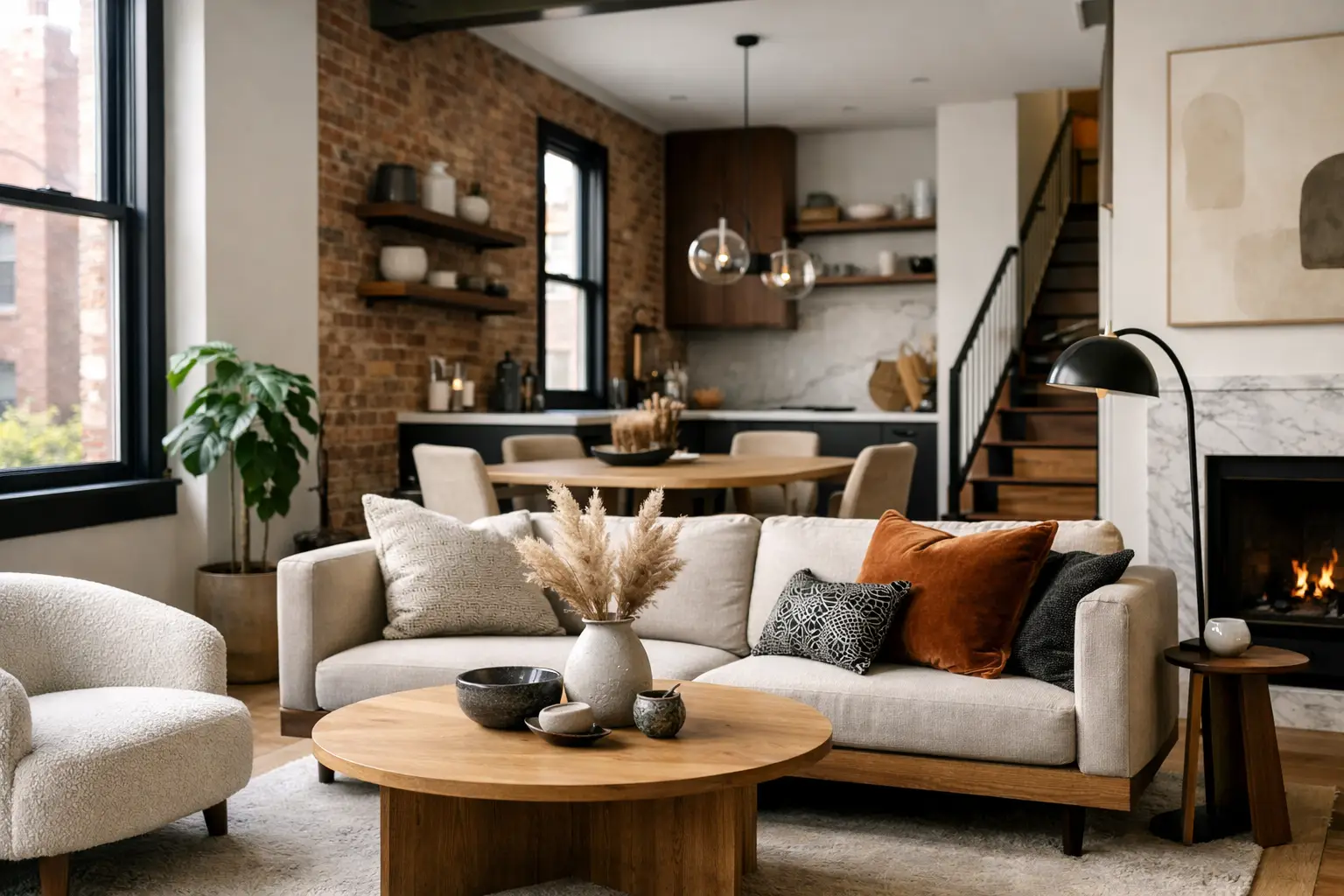
A Brooklyn apartment can look impressive in photos and still be wrong in real life. The island is too big, the storage is too shallow, the stone stains, the lighting is flat, and six months later the owner is annoyed every morning. That is usually where residential interior design Brooklyn clients start taking seriously - not with mood boards, but with the point where they want the home to work as well as it looks.
When clients walk into the showroom, the conversation is usually straightforward. They want a home that feels finished, not pieced together from five vendors and ten opinions. They want someone to look at the layout, the building conditions, the materials, the budget, and the installation from start to finish. In Brooklyn, that matters more than people think, because the design decisions are tied directly to how the renovation will actually be executed.
What residential interior design in Brooklyn really involves
A lot of people hear “interior design” and think furniture, colors, and styling. In a real Brooklyn residence, that is only part of the job. Good design work starts much earlier - with measurements, circulation, ceiling heights, natural light, mechanical constraints, storage needs, and the way the household actually lives day to day.
A brownstone renovation has different demands than a condo in Williamsburg or a prewar co-op in Park Slope. In one home, the challenge is preserving character while updating kitchens and bathrooms. In another, the issue is making a new apartment feel custom instead of developer-generic. Sometimes the priority is entertaining. Sometimes it is better closet space, a kitchen that can handle daily use, or built-ins that make a compact apartment feel organized instead of crowded.
This is why full-service residential interior design in Brooklyn works best when design and remodeling are connected. If the designer is drawing something that the build team cannot execute cleanly, the client pays for that disconnect in delays, change orders, and compromises.
Brooklyn clients usually need more than design advice
Most serious homeowners are not looking for abstract inspiration. They are looking for decisions that hold up. What cabinet finish will still look good in five years? Which countertop works for a family that actually cooks? Is custom millwork worth it in this room, or should the budget go into better lighting and flooring instead?
These are practical questions, and they should be answered directly. Not every room needs a custom solution. Not every imported material is the right one for the job. But when the layout is difficult or the property deserves a higher level of finish, custom work can change the entire result. A well-designed kitchen, wall unit, closet, or bathroom vanity can make a Brooklyn home feel intentional instead of improvised.
That is especially true in apartments where every inch matters. Off-the-shelf solutions rarely respect odd dimensions, structural columns, uneven walls, or the storage demands of city living. Custom cabinetry and furniture are not about showing off. They are often the most efficient way to make the space function properly.
Where materials make the difference
Clients with experience can usually tell right away when a project is being sold with words instead of materials. The finish looks good under perfect lighting, but scratches too easily. The veneer is thin. The hardware feels light. The upholstered piece is beautiful for a showroom floor but questionable for a home with children, guests, or heavy daily use.
Material selection is where residential interior design Brooklyn projects either become durable and refined or start cutting corners. Kitchens are the clearest example. Cabinet construction, door finish, hinges, drawer systems, countertop fabrication, and installation quality all affect how the room performs. A kitchen has to look impressive, but it also has to work every morning, every dinner.
Italian suppliers are often part of that conversation for a reason. The appeal is not just branding. It is the consistency of finish, the engineering, the proportions, and the level of customization available when the manufacturer knows what they are doing. The same goes for premium furniture and millwork. Good pieces feel balanced, solid, and considered. Cheap ones look fine until they are used.
Still, there is always a trade-off. Premium materials cost more, and custom work adds lead time. For some clients, that is the right decision because they are renovating a long-term home. For others, the smarter move is to invest selectively - put money into the kitchen, primary bath, lighting, and built-ins, then simplify in secondary spaces. Good design is not about spending everywhere. It is about spending where it changes the experience of the home.
Why timeline and installation matter as much as style
Brooklyn clients do not need another vague promise about transformation. They need someone to tell them what happens first, what needs to be ordered early, what may affect the construction sequence, and where delays usually come from.
That is one reason a showroom-based, owner-led business works well for residential projects. People want to sit down, review options, and get clear answers. If cabinetry is custom, they want to know the lead time. If a certain stone is available now but not next month, they want that information before the contractor is waiting. If installation requires field adjustments because of existing conditions, they want a team that has handled that situation before.
Design without execution planning creates stress fast. The nicest rendering in the world does not solve delivery coordination, site access, elevator rules, old building walls, or the fact that Brooklyn renovations often involve surprises once the work begins. A realistic process accounts for that. It leaves room for precision and also for the real conditions of the property.
The best residential interior design Brooklyn projects feel personal, not trendy
Brooklyn has no shortage of trend-driven interiors. You can spot them immediately - the same colors, the same fixtures, the same social-media kitchen repeated in different buildings. That approach dates quickly because it is based on image, not on the client or the property.
A better project starts with how the client lives. Do they host often? Cook seriously? Need hidden storage? Want clean modern lines but still need warmth? Own art that should shape the palette? Have children, pets, or visiting family that change how durable the home needs to be?
This is where direct conversation matters. When someone comes into the showroom on a Saturday with floor plans and photos, the useful discussion is not about chasing a trend. It is about priorities. What is staying, what is changing, what is custom, what is worth importing, and what should be solved in layout before finishes are even discussed.
Sometimes the right answer is a major renovation. Sometimes it is a more focused scope with a stronger result - kitchen, millwork, lighting, and furniture that pull the home together without rebuilding every room. Good judgment matters just as much as good taste.
What to expect from a serious design partner
If you are hiring for residential interior design in Brooklyn, you should expect more than a presentation. You should expect somebody to speak clearly about measurements, budget ranges, customization, product quality, installation, and timeline. If a firm cannot explain how the project moves from concept into the apartment or house, the client ends up managing the gaps.
A serious design partner should be comfortable discussing the details that many firms avoid. Which finish is easier to maintain. Whether the budget supports full custom work or a mix of custom and standard pieces. Whether the architecture of the home calls for restraint or for stronger intervention. Whether the plan makes sense before anyone starts ordering product.
You should also expect honesty. Not every idea fits every space. Not every imported item is worth the wait. Not every luxury detail improves daily life. But the right ones do, and when they are selected well, the result is a home that feels calm, complete, and built for the people living there.
That is the real value in this kind of work. Not decoration. Not random upgrades. A home where the kitchen opens the way it should, the storage is where you need it, the materials hold up, and the rooms feel resolved. If you are serious about changing your home, bring the plans, bring the photos, and bring the questions. A good conversation at the start will save you time, money, and a lot of second-guessing later.