
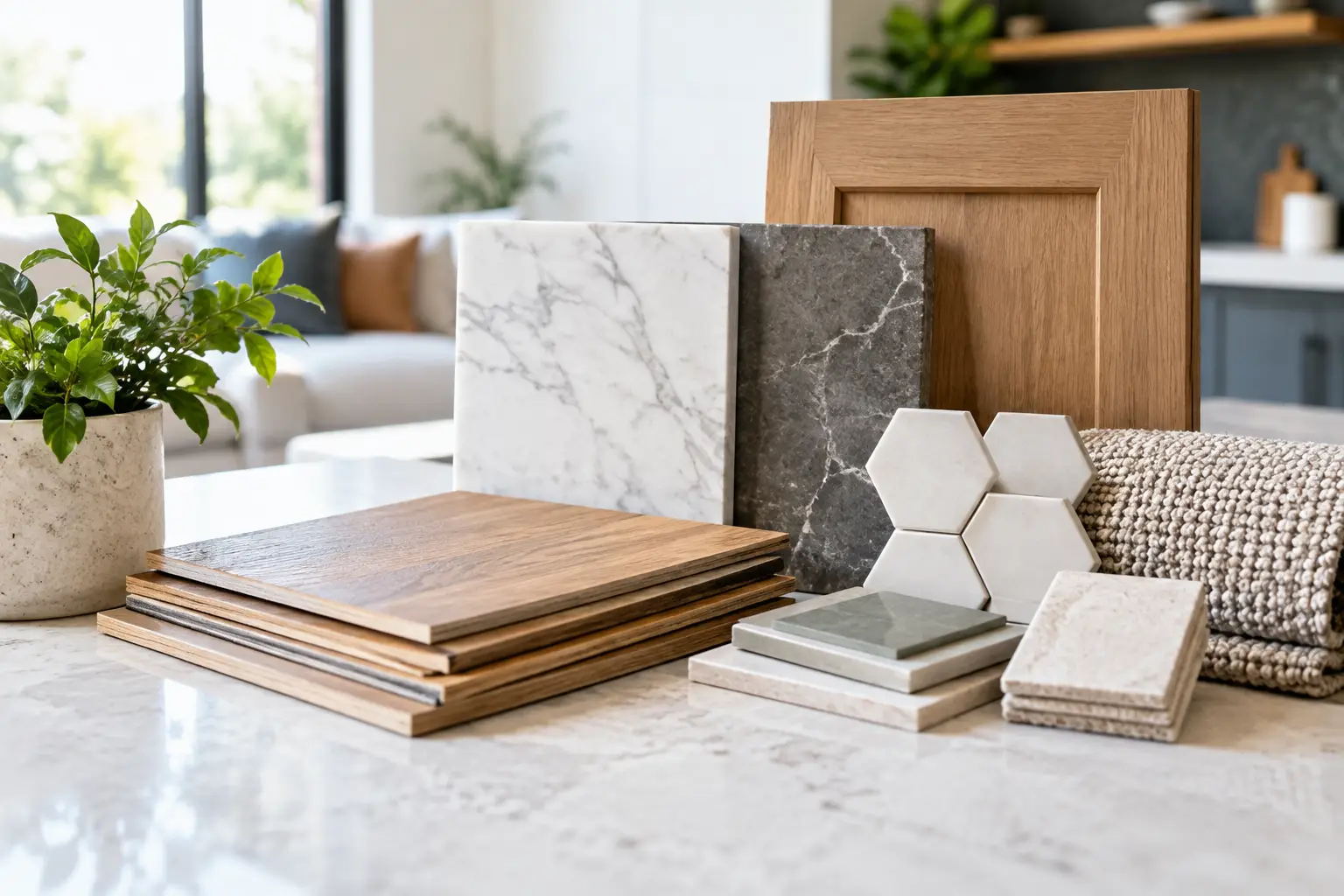
A material can look perfect on a showroom sample and still be the wrong choice for the way you live. That is why the best home renovation material trends are not really about chasing a color or copying a photo. They are about choosing surfaces, finishes, and construction details that will still look right after busy mornings, dinner parties, kids, pets, and New York weather have had their say.
When clients walk into our Brooklyn showroom, they often arrive with a saved image and a strong opinion about one material. That is a useful starting point, but it is not the whole project. We look at the light, the layout, how often the kitchen is used, whether the building has elevator restrictions, and what needs to be made to measure. Then we can separate a passing look from a material decision that makes sense.
Home Renovation Material Trends Are Becoming More Practical
The strongest shift is away from materials that are only decorative. Homeowners still want a beautiful kitchen and a polished living space, but they are asking better questions: Will this scratch? Does it stain? Can it be repaired? How long will it take to arrive? What happens at installation?
That is a good change. A renovation is not a styling exercise. It is a serious investment in a property, and every finish has to earn its place. The materials getting attention now tend to have depth, texture, and warmth, but they also perform well in real homes.
Porcelain slabs keep gaining ground
Large-format porcelain is one of the most practical materials we discuss for kitchens and bathrooms. It can create the look of natural stone, concrete, or metal with less day-to-day worry about staining and maintenance. For a busy family kitchen, that matters more than a dramatic photograph.
Porcelain is especially useful for countertops, backsplashes, wall cladding, and even dining tables when the project calls for a coordinated look. The trade-off is fabrication. Not every installer handles large porcelain slabs well, and the edge details need to be planned before anything is ordered. A clean mitered edge can look exceptional, but it requires skilled fabrication and careful installation.
Natural stone still has a place. A honed marble kitchen island or a beautifully veined quartzite slab brings variation that porcelain cannot completely duplicate. But clients should choose it knowing that natural materials develop character over time. If every small mark will bother you, porcelain may be the better answer.
Wood is returning, but in calmer finishes
Cold gray flooring and shiny espresso cabinetry have lost ground to warmer, more natural wood tones. We are seeing oak, walnut, smoked finishes, and textured wood veneers used in a more restrained way. The goal is not rustic. It is a home that feels settled rather than overly new.
For cabinetry, real wood veneer is a strong option when it comes from a quality supplier and is finished properly. It gives custom kitchens and built-ins a depth that printed wood grain cannot match. Veneer also allows a more consistent appearance across large cabinet runs than solid wood, which can move and vary more visibly.
For floors, engineered wood often makes more sense than solid planks in apartments and city homes. It can be stable, beautiful, and compatible with certain radiant heating systems. The thickness of the wear layer, the finish, and the subfloor preparation all matter. The floor is not a place to save money on installation, because a good material installed poorly will show every mistake.
Texture Is Replacing High Gloss
High-gloss lacquer is not gone, especially in contemporary Italian kitchens, but matte and textured finishes are now the more common request. Soft-touch cabinet fronts, brushed metals, fluted glass, ribbed wood, and lightly textured wall surfaces bring visual interest without making a room feel busy.
This works particularly well in Brooklyn apartments where the floor plan may be compact. A glossy white kitchen can feel bright, but too many reflective finishes can make a smaller room feel hard and flat. A matte taupe cabinet, warm oak panel, and satin nickel detail can create more depth with less visual noise.
There is a practical side to this trend as well. Matte finishes can hide fingerprints better than high gloss, depending on the product. That does not mean every matte surface is easy to clean. Some low-quality soft-touch finishes can mark or become difficult to maintain. Ask to see a full sample, not just a small chip, and touch it before committing.
Metal details are warmer and more deliberate
Chrome remains useful, but brushed nickel, warm brass, bronze, and blackened steel are being used with more confidence. The key is restraint. One metal can lead the room, while another can appear in a small supporting role, but mixing too many finishes usually makes a renovation feel less considered.
In a kitchen, the cabinet hardware, faucet, lighting, appliance handles, and shelving details should be reviewed together. This is where a coordinated custom kitchen design process saves time later. The finish on a faucet may not exactly match an imported cabinet pull, and that is fine if the contrast is intentional. It is a problem only when the selections are made separately and hope is doing the coordination.
Healthier Finishes Are Part of the Material Conversation
Low-VOC paints, formaldehyde-conscious panels, and responsibly sourced wood are no longer niche requests. Clients want to know what is going into their homes, especially in bedrooms, nurseries, kitchens, and enclosed apartments where ventilation can be limited.
The right approach is practical, not performative. A low-VOC paint is a sensible choice, but the quality of the prep work and application still determines how it will look. A sustainably sourced veneer is valuable, but it should also meet the visual and durability requirements of the project. Materials should be selected for their full performance, not one label on a spec sheet.
For custom cabinetry, ask what the cabinet box is made from, what adhesives are used, and how the material is finished. Premium doors will not compensate for weak construction behind them. Good cabinetry is about the inside as much as the outside: hardware, alignment, interiors, ventilation, and the ability to service components later.
Custom Materials Beat Standard Solutions in Difficult Spaces
Many New York homes do not have forgiving proportions. There may be a radiator near the window, a narrow galley kitchen, uneven walls, a low beam, or a living room that needs to work as an office and a dining space. Standard-size furniture and ready-made cabinetry can force compromises that become obvious every day.
This is why bespoke cabinetry, fitted storage, and made-to-order furniture continue to matter. Custom does not mean putting something expensive in every corner. It means using the available space correctly. A built-in can hide an awkward column. A custom media unit can give a room storage without making it feel crowded. Italian kitchen cabinets can be configured around real measurements instead of asking the home to fit the cabinets.
Custom work also requires honest planning. Imported components, specialty finishes, and made-to-order pieces take time. If you are renovating before a move or coordinating with a building renovation schedule, product lead times need to be discussed early. The material decision is tied directly to the project calendar.
What to Choose Before You Fall for a Sample
Before finalizing finishes, bring the conversation back to the room. In a kitchen, start with the countertop and cabinet construction because those decisions affect almost everything else. In a bathroom, prioritize waterproofing, tile layout, and slip resistance before choosing decorative hardware. In a living area, consider the floor, upholstery, and window treatments together so the materials do not compete.
It also helps to look at samples in more than one light. A warm wood veneer can look completely different under showroom lighting, morning sun, and evening LEDs. Take samples near a window if possible. Put a cabinet door next to the countertop. Compare the materials at the scale you will actually see, not as isolated pieces.
Budget should be clear from the beginning. Sometimes the right move is to invest in cabinet construction and choose a simpler door finish. In another project, a dramatic natural stone slab is worth the cost because it becomes the center of the room. There is no universal answer. The best choice depends on where the material is used, how it will age, and what the rest of the renovation requires.
A good renovation should not feel like a collection of trends from different years. It should feel considered, functional, and personal when you walk through the door. Bring your plans, measurements, and a few material ideas to the showroom. We can put the samples together, talk honestly about the options, and decide what will still look right long after the renovation is finished.