
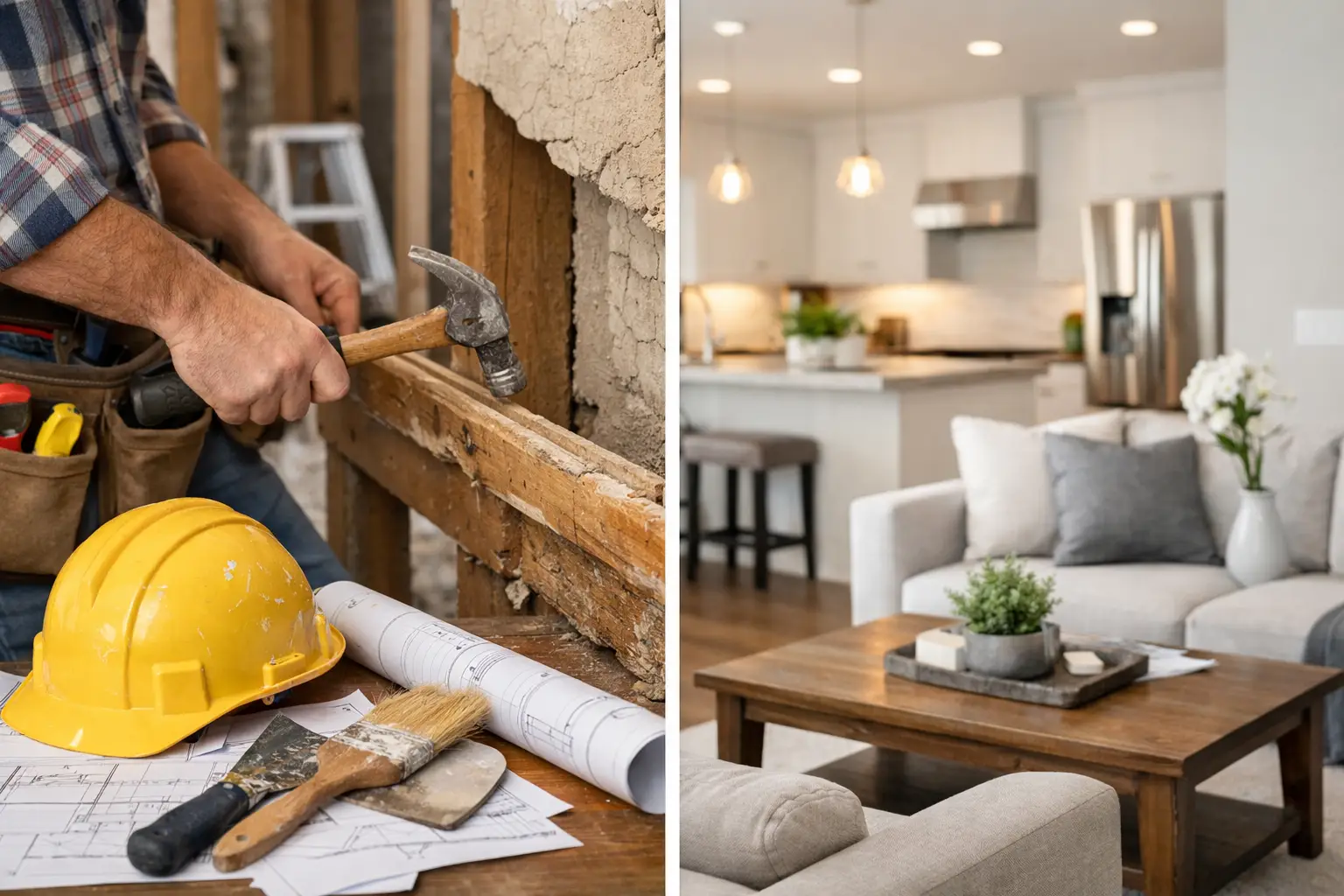
If you walk into a showroom and say, “I want to renovate my apartment,” one contractor may picture new paint and floors. Another may picture moving walls, reworking plumbing, and building a custom kitchen from scratch. That is why homeowners keep asking what is the difference between home remodeling and home renovation - because the words get used loosely, but the work, cost, and timeline are not the same.
In real projects, the difference comes down to how much you are changing. Renovation usually means restoring or updating what is already there. Remodeling means changing the structure, layout, or function of the space. Both can improve a home. Both can add value. But they lead to very different decisions once you start talking about materials, permits, labor, and how long your home will be under construction.
What is the difference between home remodeling and home renovation?
The simplest answer is this: renovation refreshes, remodeling reworks.
A renovation keeps the basic layout and purpose of the space intact. You might replace flooring, install new tile, repaint walls, update lighting, refinish cabinetry, or swap out old fixtures. The room is still doing the same job. It just looks better, functions better, or feels more current.
A remodel changes the space more fundamentally. That can mean removing a wall between a kitchen and dining area, relocating plumbing for a new bathroom layout, building custom storage into awkward corners, or converting a spare bedroom into a home office with built-in cabinetry. The space may look different, but more importantly, it works differently.
That distinction matters because it affects every part of the project. A cosmetic update is one conversation. A project that changes layout, electrical planning, ventilation, and custom millwork is another.
Home renovation keeps the bones and improves the finish
Most renovations start with a home that already works reasonably well. The layout may be fine, but the finishes are dated, worn out, or poorly matched. In Brooklyn, that often means an apartment with solid proportions but tired materials, old kitchen fronts, or bathrooms that have not been touched in years.
In that case, renovation makes sense. You are not paying to reinvent the plan. You are improving what is already there.
A kitchen renovation, for example, might include replacing cabinet doors, countertops, backsplash tile, appliances, and lighting while keeping the sink, gas line, and general layout where they are. A bathroom renovation might involve new tile, a vanity, updated fixtures, and better storage without changing the footprint.
This approach can be more efficient, but only if the existing layout is worth keeping. If the room is awkward, dark, or badly planned, fresh finishes will not solve the real problem. A beautiful kitchen that still has poor circulation and not enough storage is still a compromised kitchen.
Home remodeling changes how the space works
Remodeling is the right term when the project goes beyond surface upgrades. You are not just replacing materials. You are changing the way the home is organized and used.
That might mean opening up a closed kitchen, shifting an island to improve movement, enlarging a shower by taking space from a closet, or building floor-to-ceiling cabinetry that did not exist before. In some homes, remodeling also means combining rooms, adding better lighting plans, improving traffic flow, or integrating custom furniture and storage into the architecture.
This is where design matters more. Once you start moving pieces around, every measurement counts. Door swings, appliance clearance, ceiling conditions, ventilation, plumbing paths, and installation access all have to be considered early. The project becomes less about picking finishes and more about building a plan that works in daily life.
That is also why remodeling usually involves more coordination. There are more trades, more technical decisions, and more chances for expensive mistakes if the scope is not clearly defined from the beginning.
Budget is where the difference becomes very real
A lot of homeowners use renovation and remodeling interchangeably until they see the estimate. Then the difference becomes very clear.
Renovation is often less expensive because you are working within existing conditions. If plumbing stays where it is and walls stay in place, labor is simpler. Permits may be lighter or, in some cases, not required to the same extent. Material costs can still be significant, especially if you choose premium stone, custom fronts, or imported fixtures, but the structural side of the work is more controlled.
Remodeling usually carries a higher price because changes cascade. Move a sink, and now plumbing changes. Remove a wall, and now framing, electrical, patching, flooring, and finish work all shift with it. Add custom cabinetry, and measurements, production time, delivery, and installation all become more exacting.
This does not mean renovation is always cheap or remodeling is always extravagant. A high-end renovation with top materials can cost more than a basic remodel. But in general, remodeling introduces more variables, and variables cost money.
Permits, approvals, and timelines are not the same
This is another place where homeowners get surprised.
If you are renovating with mostly finish updates, the process may move faster. There is still planning involved, especially if you want quality materials and custom work, but the project tends to be more predictable. You are not asking the building or the city to approve major physical changes.
With remodeling, approvals become more relevant. In New York City apartments and townhomes, layout changes can trigger permit requirements, building management review, architect drawings, and coordination with licensed trades. Even when the work is worth doing, it adds time before the first cabinet is installed or the first tile goes up.
This is where clients benefit from being realistic. If you want to move quickly, a renovation may be the better fit. If you want to correct a flawed layout that has bothered you for years, remodeling may be the smarter investment, even if it takes longer.
What is the difference between home remodeling and home renovation in resale value?
It depends on what the home needs.
A renovation can absolutely improve resale value, especially when the existing home is dated but functional. Buyers respond well to updated kitchens, fresh bathrooms, better flooring, clean lighting, and finishes that feel current. If the home already has a solid layout, renovation can deliver a strong return without overcomplicating the project.
Remodeling can create more value when the original layout is the reason the home feels limited. Opening a kitchen, improving storage, creating a better primary bath, or making a small apartment feel more usable can change how buyers experience the entire property. That kind of improvement often carries more impact than new finishes alone.
But there is a trade-off. Remodeling costs more, takes longer, and requires better planning. If the changes are too personal or too aggressive for the market, you may not recover every dollar. Good remodeling is not about making the space flashy. It is about making it more livable in a way that still feels coherent.
Which one is right for your home?
The honest answer is that many projects include both.
A homeowner may renovate one part of the space and remodel another. For example, the living room might get new floors and lighting, while the kitchen gets a complete reconfiguration with custom cabinetry and new appliance placement. That is common, especially in apartments where some rooms need a refresh and others need a real solution.
The better question is not whether you should renovate or remodel. The better question is what problem you are trying to solve.
If your home functions well and just looks tired, renovation is usually enough. If you constantly fight the layout, lack storage, or feel that the space does not match the way you actually live, remodeling is worth discussing.
When clients come into the showroom, that is usually where the conversation starts. Not with labels. With the actual space. What is staying, what is not working, what needs to be custom-made, and whether the investment should go into finishes, layout, or both.
A practical way to decide before you commit
Start by looking at your home room by room and asking two questions. Does the space work? And does the space feel finished?
If it works but feels worn, dated, or incomplete, you are likely talking about renovation. If it does not work even on a good day, you are probably talking about remodeling.
That distinction helps you avoid the most common mistake: spending renovation money on a space that actually needs remodeling, or planning a remodel when a smart renovation would have solved the problem with less disruption.
A good project begins when someone gives you a straight answer about scope. Not every kitchen needs walls moved. Not every bathroom should stay exactly where it is. The right decision depends on the bones of the home, the budget, the building, and how long you plan to stay there.
If you are not sure which category your project falls into, bring the measurements, photos, and the questions. A serious conversation at the beginning usually saves time, money, and a lot of second-guessing later.